Older homes carry character that cannot be ordered from a catalog: plaster walls, original trim, wood floors and built ins. Historic home mold remediation removes growth while preserving original materials whenever they can be safely cleaned.
The Problem Behind Historic Home Mold Remediation
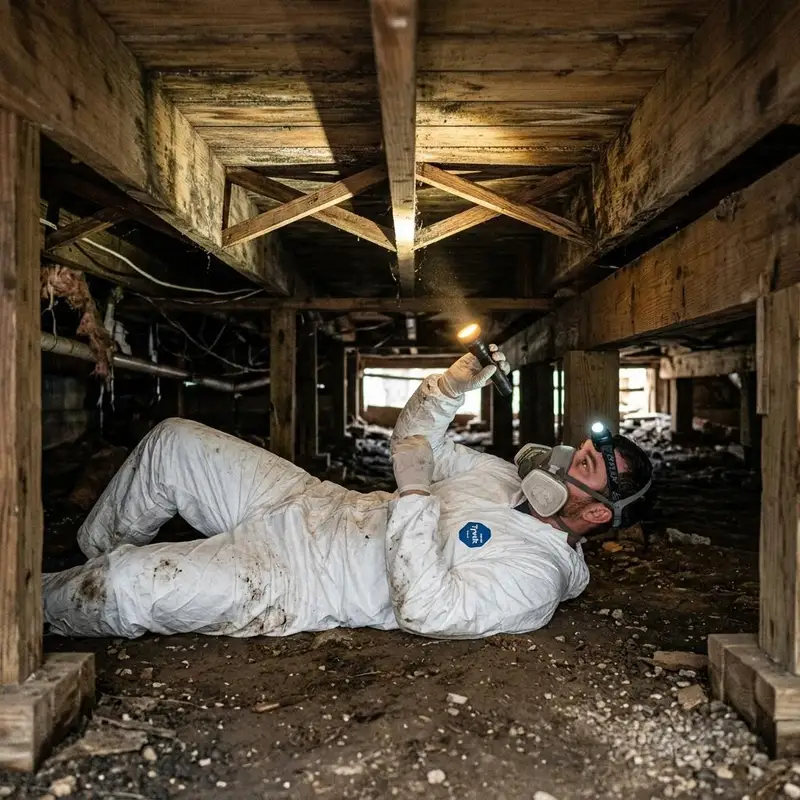
Older houses were built to breathe, but decades of additions, sealed windows and modern air conditioning change how moisture moves. Pier and beam crawl spaces, aging roofs and old plumbing are common sources. Aggressive demolition can destroy materials that could have been cleaned and kept.
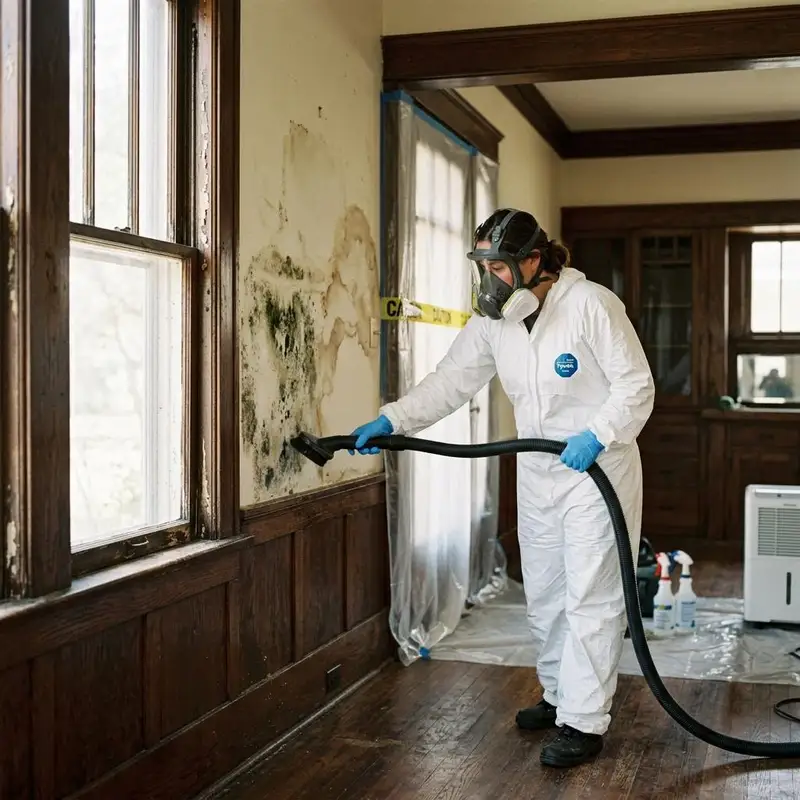
Signs You May Need Historic Home Mold Remediation
- Staining on plaster walls or ceilings
- Musty odor from crawl spaces or built ins
- Growth on original trim or behind cabinets
- Soft spots in old wood floors
What the Work Includes
- Careful assessment of what can be cleaned versus replaced
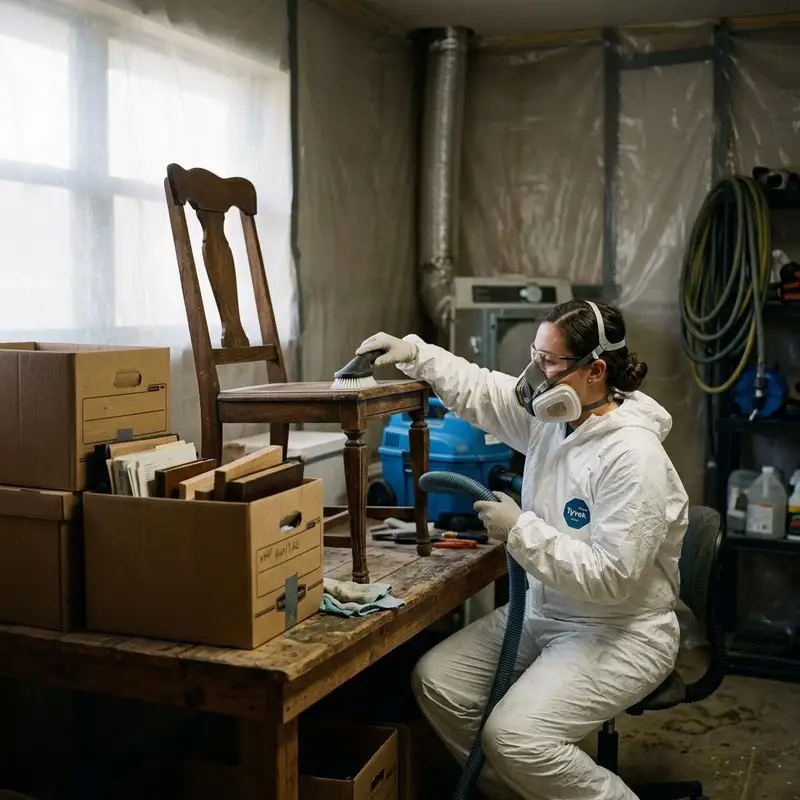
- Gentle cleaning methods for original wood and plaster
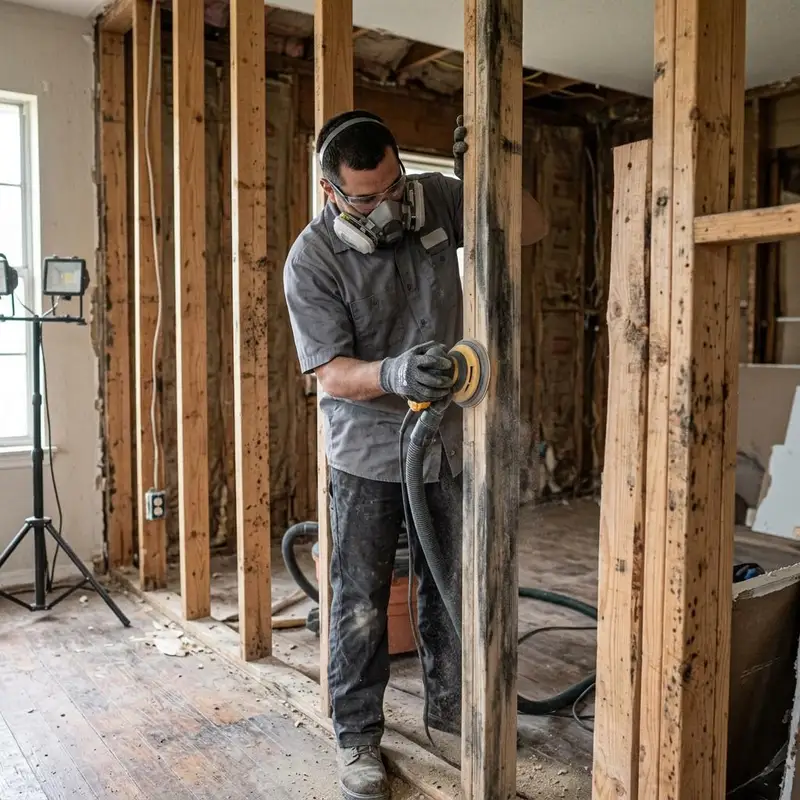
- Targeted removal only where needed
- Crawl space and attic moisture review
Our Historic Home Mold Remediation Process
- STEP 1
Respect the original
We identify historic materials worth saving before work begins.
- STEP 2
Contain gently
Protection methods avoid damaging old finishes and trim.
- STEP 3
Clean, then remove
Cleaning is tried first; removal is reserved for material that cannot be saved.
- STEP 4
Address old systems
Crawl space, roof and plumbing issues are noted for repair.
A Fort Worth Consideration
Fort Worth has well loved historic neighborhoods filled with early twentieth century homes. Preserving original craftsmanship during remediation protects both the home and its story.
Historic Home Mold Remediation Near You
We provide historic home mold remediation for property owners in Downtown Fort Worth, Forest Hill, Edgecliff Village, Westover Hills, River Oaks, Sansom Park and White Settlement. If you are searching for help nearby, call to describe your situation or email photos to [email protected]. We answer Monday to Saturday, 8am to 7pm.