Flood water changes the timeline. Mold can begin growing on wet building materials within a day or two, so post flood mold remediation focuses on getting soaked materials out and drying the structure before growth takes hold, or removing growth that has already started.
The Problem Behind Post Flood Mold Remediation
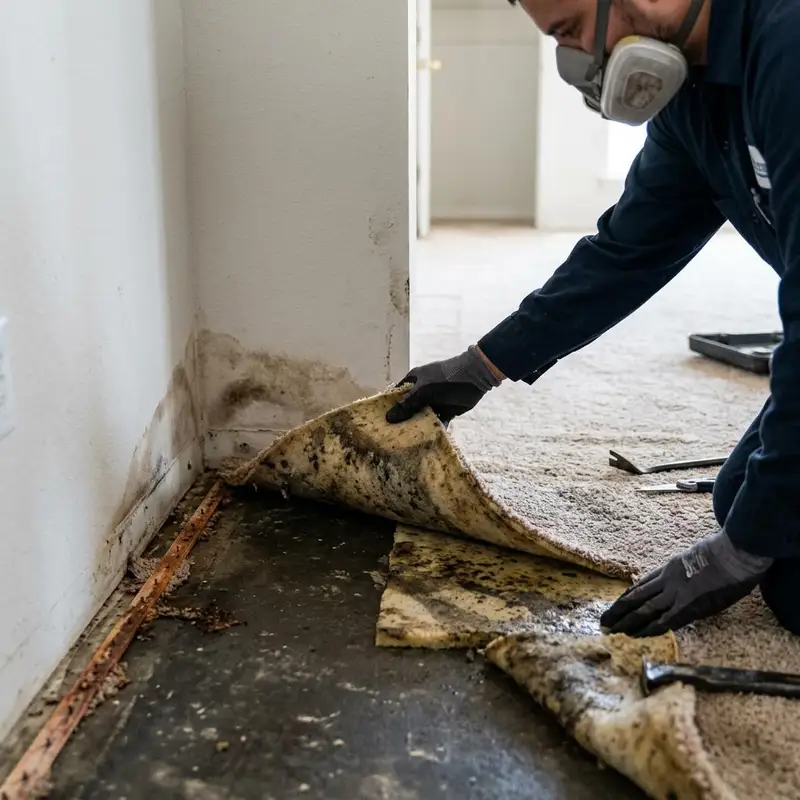
Storm water and sewage backups bring contamination along with moisture. Drywall, insulation, carpet pad and particle board absorb that water and often cannot be saved. Walls may need to be cut above the water line. Waiting for materials to dry on their own usually means mold is already present when work finally begins.
Signs You May Need Post Flood Mold Remediation
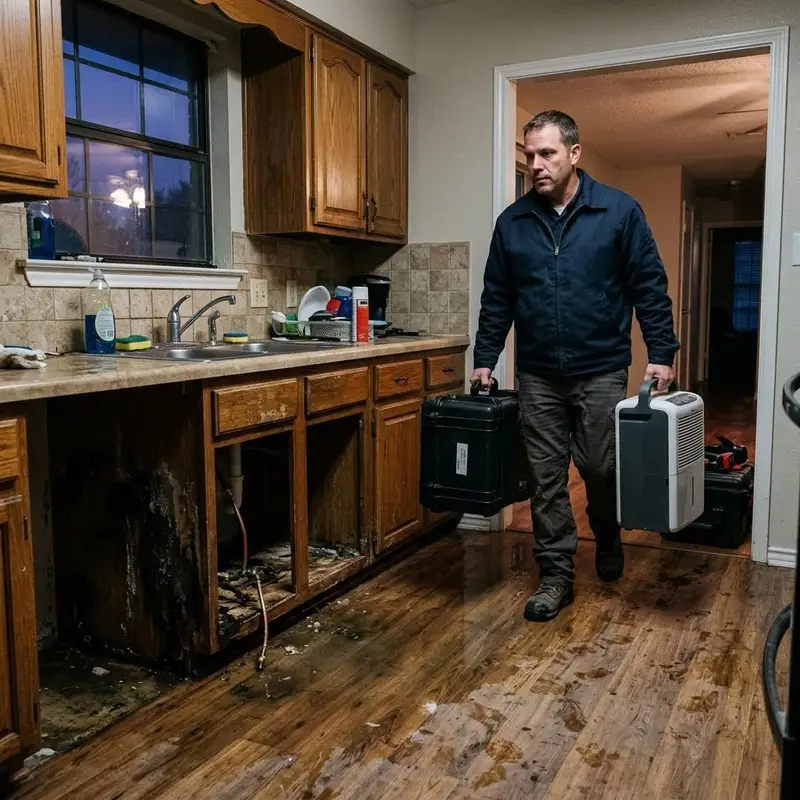
- Visible water lines on walls
- Wet carpet, pad or baseboards after a storm
- Musty smell developing in the days after flooding
- Swollen cabinets, doors or trim
What the Work Includes
- Removal of soaked drywall, insulation and flooring
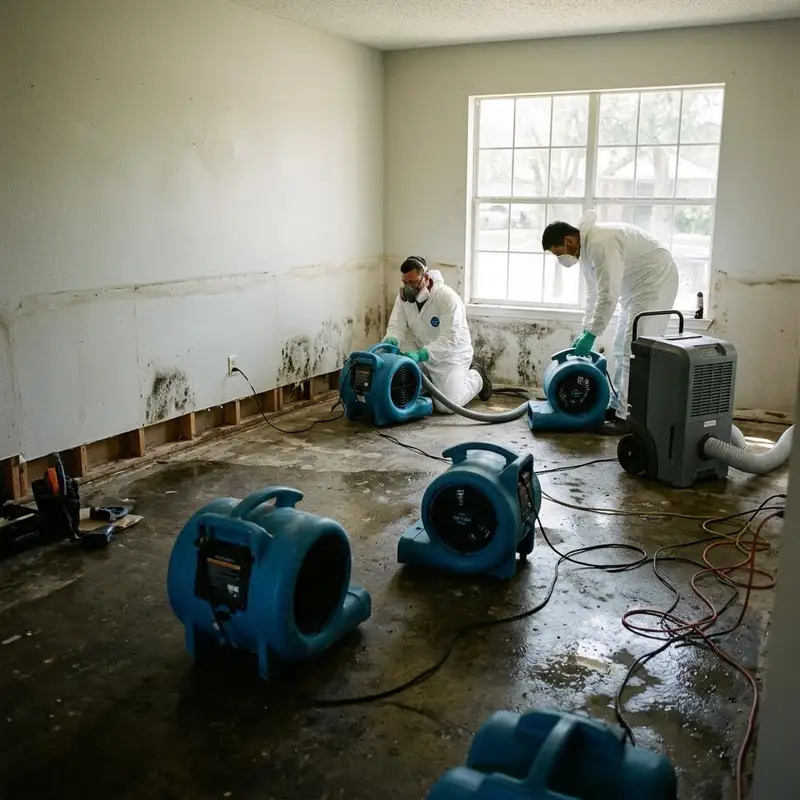
- Cleaning and treatment of framing and slab
- Drying with air movers and dehumidifiers
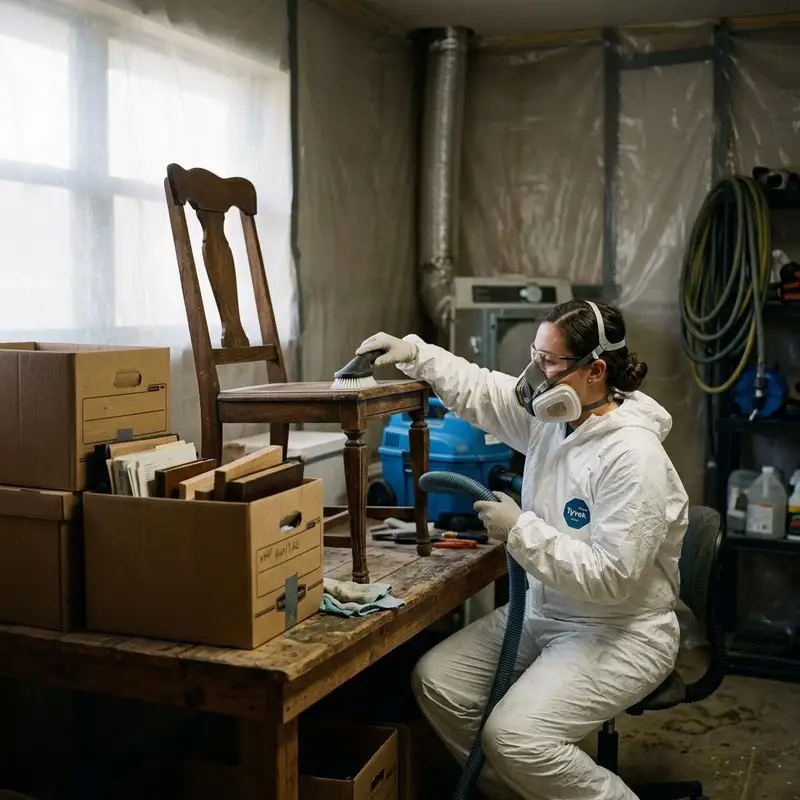
- Contents sorting and cleaning guidance
Our Post Flood Mold Remediation Process
- STEP 1
Assess the water
We determine the source and how high water reached.
- STEP 2
Remove soaked material
Walls are cut above the water line and wet materials removed.
- STEP 3
Clean and dry
Framing and floors are cleaned and dried with equipment.
- STEP 4
Check before rebuild
Moisture readings confirm the structure is ready to close.
A Fort Worth Consideration
The City of Fort Worth Stormwater Management program assesses citywide flood risk and drainage capacity. Knowing whether your property sits near a known drainage concern can help you plan for future storms.
Post Flood Mold Remediation Near You
We provide post flood mold remediation for property owners in Downtown Fort Worth, Forest Hill, Edgecliff Village, Westover Hills, River Oaks, Sansom Park and White Settlement. If you are searching for help nearby, call to describe your situation or email photos to [email protected]. We answer Monday to Saturday, 8am to 7pm.